
- English
- Español
- Português
- русский
- Français
- 日本語
- Deutsch
- tiếng Việt
- Italiano
- Nederlands
- ภาษาไทย
- Polski
- 한국어
- Svenska
- magyar
- Malay
- বাংলা ভাষার
- Dansk
- Suomi
- हिन्दी
- Pilipino
- Türkçe
- Gaeilge
- العربية
- Indonesia
- Norsk
- تمل
- český
- ελληνικά
- український
- Javanese
- فارسی
- தமிழ்
- తెలుగు
- नेपाली
- Burmese
- български
- ລາວ
- Latine
- Қазақша
- Euskal
- Azərbaycan
- Slovenský jazyk
- Македонски
- Lietuvos
- Eesti Keel
- Română
- Slovenski
- मराठी
- Srpski језик

What Makes a Window Patching Machine Worth Buying for Modern Packaging Work?
Article Summary
Choosing the right Window Patching Machine is no longer just about speed. Buyers now care about film placement accuracy, glue control, material compatibility, labor efficiency, downtime risk, and how reliably the machine can support profitable packaging jobs. In this article, I break down the real purchasing concerns behind window patching production and explain what to look for when comparing equipment. I also show how a well-matched machine can reduce waste, stabilize output, and make it easier for converters and packaging manufacturers to serve demanding customers.
Table of Contents
- Outline
- Why do buyers hesitate before choosing a Window Patching Machine?
- What problems should a good Window Patching Machine solve first?
- Which features matter most when comparing machines?
- What materials and box types should the machine handle well?
- Is a lower price always the better deal?
- What should I expect from a reliable manufacturer?
- FAQ
- Contact Us
Outline
- The real concerns packaging buyers face before investing in a new machine
- The production pain points a capable machine should reduce
- The technical and practical features worth checking before purchase
- Material flexibility and job suitability for different packaging applications
- How to judge value beyond the initial quotation
- How supplier support affects long-term output and confidence
- Common buyer questions answered clearly
Why do buyers hesitate before choosing a Window Patching Machine?
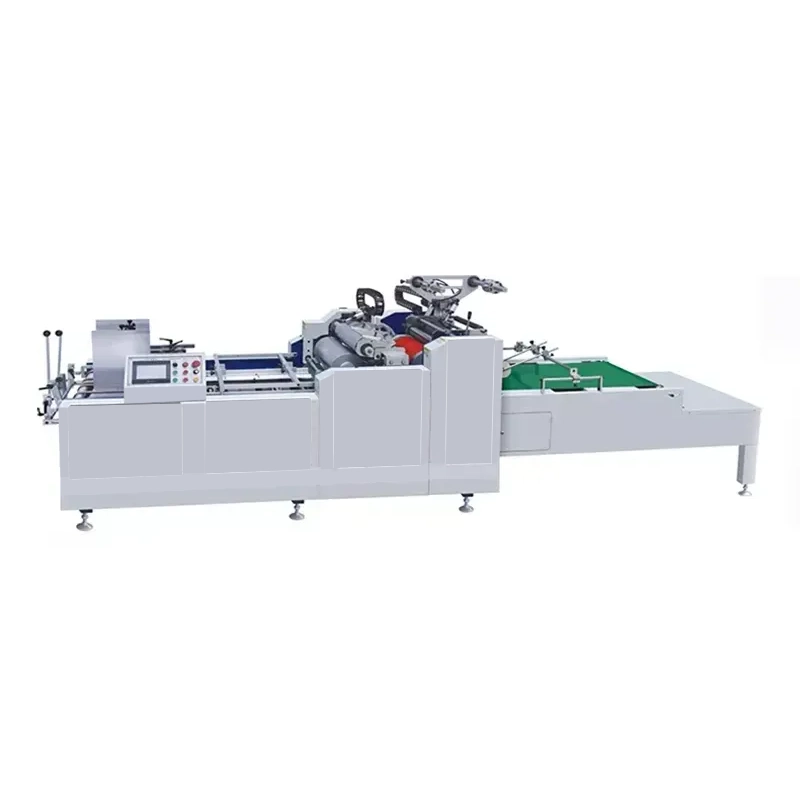
I have seen this hesitation many times: a packaging company knows it needs more efficient window patching capacity, but the team still delays the decision. The reason is simple. Buying a Window Patching Machine affects far more than one production step. It changes workflow, labor allocation, quality consistency, delivery confidence, and even the types of packaging orders a factory can accept.
Buyers are not just asking, “Will this machine run?” They are asking better questions. Will the film position stay accurate on repeated orders? Will glue application stay clean enough for premium cosmetic boxes or gift packaging? Can the machine handle both short-run flexibility and longer production cycles without becoming a maintenance headache? If operators need constant manual correction, then the machine is not creating real value.
This is exactly why the buying process can feel heavy. A poor match may lead to film waste, glue overflow, skewed registration, box rejection, or delayed shipments. A good machine, on the other hand, does something far more useful: it removes friction from the production floor and makes output easier to trust.
For companies trying to expand their packaging capability, the right investment is not the cheapest one on paper. It is the one that helps them run cleaner, steadier, and more profitably over time.
What problems should a good Window Patching Machine solve first?
Before comparing models, I like to bring the conversation back to the buyer’s real pain points. A strong Window Patching Machine should not impress only in brochures. It should solve production problems that operators and managers deal with every week.
- Inconsistent film placement that makes finished boxes look cheap or poorly aligned
- Excess glue or glue contamination that damages appearance and increases cleaning time
- Frequent stoppages that break rhythm and hurt daily output
- Complex setup work that slows job changes and frustrates operators
- Limited material compatibility that prevents the factory from taking more diverse orders
- High scrap rates caused by unstable feeding, poor registration, or unreliable cutting
- Overdependence on skilled labor for corrections that should have been minimized by the machine itself
These issues are expensive in quiet ways. Scrap does not only waste raw material. It wastes time, confidence, and capacity. Rework does not only hurt margins. It also puts customer relationships at risk. When packaging buyers complain about missed details, they are often reacting to deeper equipment instability behind the scenes.
So when I evaluate a machine, I do not begin with speed claims alone. I begin with one question: does this machine make the job easier to run right the first time?
| Common Production Pain Point | What the Buyer Actually Needs | Why It Matters in Daily Work |
|---|---|---|
| Skewed or inconsistent patching position | Stable feeding and accurate positioning | Cleaner visual result and fewer rejected boxes |
| Glue marks or overflow | Controlled glue application and easy adjustment | Better finish quality and less cleanup downtime |
| Too much operator intervention | Simple controls and reliable automation support | Lower labor pressure and smoother production flow |
| Slow changeovers | User-friendly setup for different formats | Improved flexibility for mixed order schedules |
| Limited order range | Compatibility with multiple paper and box types | More chances to win profitable packaging jobs |
Which features matter most when comparing machines?
This is the part where many buyers get overloaded with specification sheets. I prefer to simplify it. When comparing one Window Patching Machine with another, a few practical points usually tell me much more than a long list of promotional adjectives.
First, look at feeding and positioning stability. A machine can only produce reliable window patching if the sheet enters consistently and reaches the working position with minimal deviation. If the feeding stage is unstable, every downstream function has to compensate for that weakness.
Second, pay attention to glue application quality. Buyers often underestimate how visible glue-related issues become on finished packaging. Premium retail boxes leave little room for roughness. A controlled gluing process supports better appearance and better bonding.
Third, assess film cutting and transfer precision. Clean film handling is part of what separates dependable equipment from frustrating equipment. When film cutting is inaccurate, the result is not just cosmetic trouble. It can also create waste and slow the operator’s rhythm.
Fourth, think about ease of operation. A machine that performs well only in the hands of one exceptionally experienced worker is not giving a factory much security. Clear controls, practical adjustment logic, and stable running behavior matter a lot.
Fifth, ask about maintenance access. Buyers are right to care about speed, but speed without maintainability can become a trap. If routine cleaning, adjustment, or troubleshooting is too cumbersome, long-term efficiency drops fast.
- Stable sheet feeding
- Accurate registration and positioning
- Consistent gluing performance
- Reliable film cutting and bonding
- Easy format adjustment
- Operator-friendly control logic
- Accessible maintenance points
- Adaptability for different packaging jobs
For buyers evaluating suppliers, these points create a much clearer conversation. Instead of asking vague questions about performance, ask how the machine supports stable output, easier operation, and repeatable finished quality.
What materials and box types should the machine handle well?
A Window Patching Machine becomes much more valuable when it supports a wider working range. Many packaging businesses do not want a machine that only fits one narrow product profile. They want one that helps them handle more orders with confidence.
Typical applications include cartons for cosmetics, food, gifts, toys, garments, household goods, and other retail packaging that benefits from a clear product view. Depending on the order mix, the machine may need to process different paperboard grades, some corrugated materials, and various window shapes or formats.
What matters here is not just “can it run this material once.” The better question is whether it can run that material with acceptable speed, neat appearance, and repeatable quality. That difference matters a lot when a company is trying to grow into more demanding packaging work.
| Packaging Application | What Buyers Usually Care About | Why Flexibility Helps |
|---|---|---|
| Cosmetic boxes | Neat visual finish and precise patch position | Supports higher-value packaging orders |
| Gift boxes | Clean bonding and attractive presentation | Helps maintain premium appearance |
| Toy boxes | Secure window film and reliable repeatability | Useful for larger-volume runs |
| Garment or shirt boxes | Consistent registration and smooth workflow | Supports brand-sensitive retail packaging |
| Food or tissue cartons | Steady production and reduced waste | Important for routine, recurring orders |
The broader and more stable the usable range, the easier it becomes for a manufacturer to accept diversified business. That is one of the strongest reasons many buyers upgrade their equipment in the first place.
Is a lower price always the better deal?
Not really. I understand why quotation comparison gets a lot of attention, but an initial price tells only part of the story. A lower-cost Window Patching Machine can become a more expensive choice if it creates scrap, delays, unstable results, or constant operator frustration.
A smarter comparison includes the following questions:
- How much waste can this machine help reduce?
- How dependable is the output during real production?
- How much operator skill is required to keep the job stable?
- How quickly can the team change from one order type to another?
- What kind of support is available after delivery?
These factors affect the real cost of ownership. If one machine saves material, reduces downtime, and helps the team produce better-looking cartons with less intervention, it may create better value even if the purchase price is not the lowest.
I also like to think about opportunity cost. If the machine expands what the factory can offer customers, then it is not just saving money. It is helping create revenue that weaker equipment might leave on the table.
What should I expect from a reliable manufacturer?
Equipment matters, but supplier quality matters too. Buyers usually feel more secure when a manufacturer can communicate clearly, explain machine suitability honestly, and offer support that continues after the deal is signed.
In this field, Wenzhou Feihua Printing Machinery Co., Ltd. is a name buyers may encounter when looking into window patching and related packaging machinery. What I would expect from any serious supplier in this space is straightforward: practical consultation, clear technical communication, steady product quality, and responsive service before and after purchase.
A dependable supplier should help you answer questions like these:
- Which machine configuration best fits my packaging style and output plan?
- What material range can I realistically expect in production?
- How easy will training and startup be for my operators?
- What parts, service, or troubleshooting support are available when needed?
- How can this machine fit into my existing converting workflow?
Good support lowers risk. It also helps the buyer make a more confident decision. For factories planning to invest in long-term packaging capability, that confidence matters almost as much as the machine itself.
Product page for the company’s window patching equipment: https://www.newstar-machinery.com/window-patching-machine
FAQ
What is a Window Patching Machine used for?
It is used to apply transparent film patches to carton windows so packaged products can remain visible while the box keeps its structure and branding value.
Do I need one if I already outsource window patching work?
If outsourced work causes delays, quality inconsistency, or margin pressure, bringing the process in-house may give you better delivery control and stronger profitability.
Which buyers benefit most from this machine?
Packaging converters, carton manufacturers, print finishing businesses, and companies serving cosmetics, gift, toy, garment, and retail packaging often benefit the most.
Is speed the most important buying factor?
No. Stable feeding, precise registration, clean gluing, material adaptability, and easy operation often have a bigger impact on daily production performance.
How can I judge whether a machine fits my factory?
Start with your typical box styles, materials, production volume, operator skill level, and delivery expectations. Then compare machines based on how well they solve those real needs.
What should I do if I want to improve my packaging line now?
If your current production still struggles with unstable film placement, wasted material, slow setup, or inconsistent output, it may be time to look more seriously at the right Window Patching Machine. The best machine is not the one with the loudest claims. It is the one that helps your team run cleaner jobs, deliver more confidently, and take on better packaging business without unnecessary friction.
If you are comparing models and want practical guidance instead of vague sales language, contact us to discuss your box styles, materials, production goals, and expected output. We can help you evaluate a more suitable solution for your packaging work and move toward steadier, more profitable window patching production.