
- English
- Español
- Português
- русский
- Français
- 日本語
- Deutsch
- tiếng Việt
- Italiano
- Nederlands
- ภาษาไทย
- Polski
- 한국어
- Svenska
- magyar
- Malay
- বাংলা ভাষার
- Dansk
- Suomi
- हिन्दी
- Pilipino
- Türkçe
- Gaeilge
- العربية
- Indonesia
- Norsk
- تمل
- český
- ελληνικά
- український
- Javanese
- فارسی
- தமிழ்
- తెలుగు
- नेपाली
- Burmese
- български
- ລາວ
- Latine
- Қазақша
- Euskal
- Azərbaycan
- Slovenský jazyk
- Македонски
- Lietuvos
- Eesti Keel
- Română
- Slovenski
- मराठी
- Srpski језик

What Makes Hot Stamping Foil the Right Choice for Premium Packaging?
Article Summary
Hot stamping is often chosen when a package needs more than basic color printing. It gives labels, boxes, cards, books, cosmetics packaging, wine packaging, and gift packaging a bright metallic or decorative finish that immediately catches the eye. Yet many buyers still hesitate before ordering Hot Stamping Foil because they are unsure about adhesion, temperature settings, color consistency, production waste, machine compatibility, and long-term cost control.
This article explains how Hot Stamping Foil works, what problems it can solve, how to select the right foil for different materials, and how buyers can reduce trial-and-error during production. It also introduces practical selection points for companies comparing suppliers and packaging solutions. Wenzhou Feihua Printing Machinery Co., Ltd. is mentioned as a relevant supplier in the printing and finishing field for buyers who want to connect foil materials with hot stamping equipment and packaging production needs.
Table of Contents
- Why does Hot Stamping Foil matter in packaging decisions?
- How does Hot Stamping Foil solve common buyer pain points?
- What should buyers check before choosing Hot Stamping Foil?
- How do different surfaces affect stamping performance?
- What production settings influence the final result?
- How can buyers reduce waste and unstable quality?
- What makes a reliable Hot Stamping Foil supplier worth choosing?
- FAQ about Hot Stamping Foil
- Conclusion
Article Outline
- Explain the commercial value of Hot Stamping Foil for packaging appearance and brand recognition.
- Break down the most common purchasing concerns, including adhesion, color match, compatibility, waste, and delivery stability.
- Compare common application surfaces such as paperboard, coated paper, plastic film, labels, leather-like materials, and cartons.
- Provide practical guidance on temperature, pressure, dwell time, die quality, and machine condition.
- Show how professional supplier support helps buyers reduce production risk.
Why does Hot Stamping Foil matter in packaging decisions?
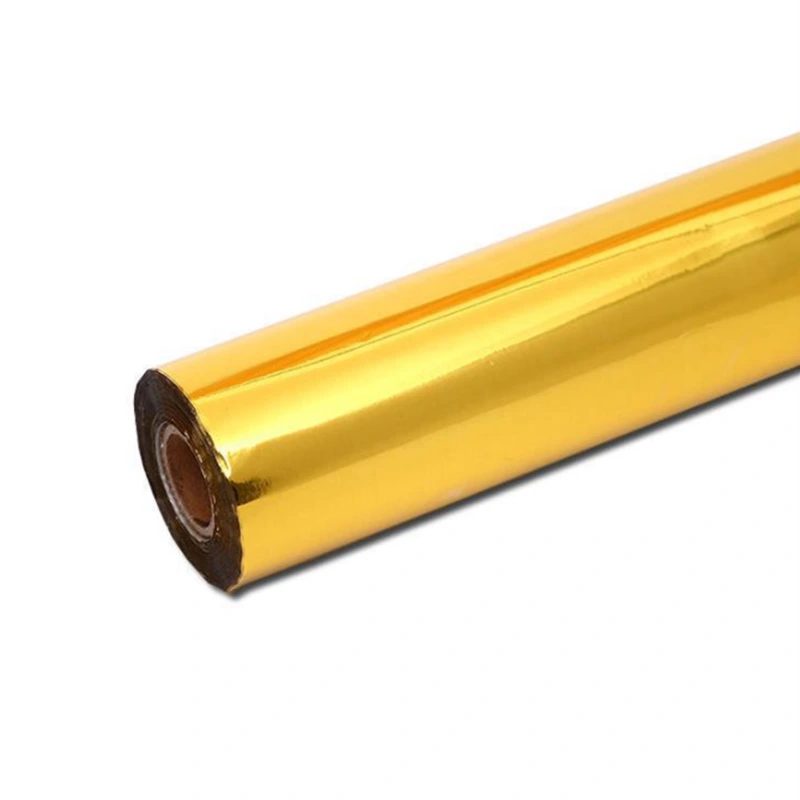
Packaging buyers do not choose Hot Stamping Foil simply because it looks shiny. They choose it because it helps a product look more valuable before the customer even touches it. In crowded retail shelves and online product images, metallic details can make a logo, pattern, border, brand name, or decorative mark stand out quickly. That visual difference is important for cosmetics, wine boxes, food gift boxes, greeting cards, luxury labels, book covers, paper bags, and promotional packaging.
A plain printed package may communicate basic information, but a hot stamped package can communicate quality, ceremony, and attention to detail. Gold foil can feel classic and premium. Silver foil can feel clean and modern. Holographic foil can create movement and energy. Colored foil can match a brand tone more closely than traditional metallic shades. For many brands, this finish becomes part of the product identity rather than a small decoration.
The real purchasing question is not whether Hot Stamping Foil is attractive. The real question is whether the foil can perform consistently in production. A beautiful sample means little if mass production brings missing spots, blurred edges, poor adhesion, color difference, scratches, or unstable release. That is why buyers need to understand the material, the application surface, and the production process before placing a bulk order.
How does Hot Stamping Foil solve common buyer pain points?
Buyers usually approach Hot Stamping Foil with a clear goal: they want a premium finish without creating new production problems. However, pain points often appear when the foil is matched poorly with the substrate or when the stamping conditions are not controlled. A reliable foil solution should help solve these problems instead of creating more uncertainty.
| Buyer Pain Point | Why It Happens | How the Right Hot Stamping Foil Helps |
|---|---|---|
| Poor adhesion after stamping | The foil adhesive layer may not match the surface coating, ink, varnish, or film. | A suitable foil grade improves bonding and reduces peeling during handling, folding, or packaging assembly. |
| Unclear edges or broken details | Temperature, pressure, die quality, or foil release may not suit fine lines and small text. | A properly selected foil can transfer cleanly and support sharper logos, borders, and typography. |
| Color difference between batches | Unstable raw material control or inconsistent production standards may affect appearance. | A stable supplier can support repeat orders with better visual consistency. |
| High production waste | Operators may need repeated testing when foil and machine settings do not match. | Clear technical guidance helps reduce trial runs, wasted sheets, and production delays. |
| Limited application range | One foil type may not work well across paper, plastic, coated board, or specialty materials. | Different foil options allow buyers to match the correct product to each packaging material. |
In other words, Hot Stamping Foil is not only a decorative material. It is a production decision. The wrong choice can slow down delivery, increase complaints, and waste money. The right choice can improve packaging value while keeping the finishing process predictable.
What should buyers check before choosing Hot Stamping Foil?
Many buyers start by asking for gold, silver, laser, black, red, or green foil. Color is important, but it should not be the only requirement. A good purchasing process begins with application details. The supplier needs to know what material will be stamped, what machine will be used, what visual effect is expected, and what production volume is planned.
Before confirming an order, buyers should check these points:
- Substrate type: paper, cardboard, coated paper, plastic film, leather-like material, label stock, or laminated surface.
- Surface condition: matte, glossy, varnished, laminated, UV coated, rough, smooth, soft, or textured.
- Stamping design: large solid areas, fine lines, small text, logo details, security pattern, or decorative border.
- Machine type: manual, semi-automatic, automatic, flat-bed, roll-fed, or other hot stamping equipment.
- Production speed: small batch sampling, medium-volume packaging, or continuous industrial production.
- Performance requirement: scratch resistance, folding resistance, strong adhesion, bright gloss, or anti-counterfeit appearance.
When these details are ignored, the buyer may receive a foil that looks correct in color but fails during application. A professional supplier should not only sell rolls of foil. The supplier should help the buyer narrow down the correct grade based on the actual production environment.
How do different surfaces affect stamping performance?
Hot Stamping Foil transfers through the combined effect of heat, pressure, and contact time. However, the surface underneath the foil decides how well the transfer bonds. A coated paper box may need a different foil behavior from a plastic label. A rough paper surface may require stronger coverage than a smooth laminated surface. A UV-coated carton may need better adhesive compatibility.
| Application Surface | Common Use | Selection Advice |
|---|---|---|
| Coated paper | Cosmetic boxes, wine boxes, book covers, greeting cards | Choose foil with clean release and stable gloss for logos and decorative lines. |
| Matte paperboard | Gift boxes, premium cartons, retail packaging | Test adhesion carefully because matte coatings can absorb or resist transfer differently. |
| Plastic film | Labels, flexible packaging, decorative films | Use foil designed for film surfaces and confirm temperature tolerance before production. |
| Laminated surface | Luxury packaging, paper bags, rigid boxes | Check whether the lamination layer affects bonding, especially on glossy or anti-scratch films. |
| Textured material | Specialty paper, leather-like covers, creative packaging | Choose foil with better coverage and adjust pressure to reach recessed areas. |
This is why testing is not a waste of time. It is a way to protect the order before mass production. A small test can reveal whether the foil transfers evenly, whether the edges remain sharp, and whether the finished package can survive folding, packing, shipping, and normal handling.
What production settings influence the final result?
Even high-quality Hot Stamping Foil can perform poorly if the production settings are wrong. Buyers often blame the foil first, but the final result depends on the balance between foil type, die condition, substrate, machine pressure, temperature, and stamping time.
The most important production factors include:
- Temperature: If the temperature is too low, transfer may be incomplete. If it is too high, the image may blur, over-release, or damage the substrate.
- Pressure: Insufficient pressure can cause missing areas. Excessive pressure may crush the material or distort fine details.
- Dwell time: The contact time between die, foil, and substrate affects how completely the foil transfers.
- Die quality: A clean, well-made die improves sharpness, especially for small letters, fine lines, and detailed logos.
- Machine stability: Uneven pressure, unstable heating, or poor feeding accuracy can cause inconsistent results across the sheet.
- Foil storage: Moisture, dust, heat, and careless handling can reduce foil performance before it even reaches the machine.
Good production teams record successful settings after testing. This helps operators repeat the same effect during mass production. For buyers working with multiple packaging factories, documented settings can also reduce communication errors and shorten adjustment time.
How can buyers reduce waste and unstable quality?
Waste is one of the hidden costs in hot stamping. A low unit price may look attractive at first, but if the foil creates too many rejected sheets, the final cost becomes much higher. Buyers should calculate not only the foil price, but also machine time, labor, defective packaging, delivery delays, and customer complaints.
Practical ways to reduce waste include:
- Confirm samples before bulk orders. Test the foil on the actual production material instead of relying only on catalog colors.
- Check the stamping design early. Large solid areas and tiny text may require different foil behavior or different pressure settings.
- Keep substrates consistent. Changing paper coating, lamination, ink, or varnish may change adhesion performance.
- Train operators on setting adjustment. Temperature and pressure should be controlled carefully rather than guessed.
- Store foil properly. Keep rolls away from moisture, direct sunlight, dust, and excessive heat.
- Work with suppliers who understand machines. Foil selection becomes easier when the supplier understands both material and equipment behavior.
Wenzhou Feihua Printing Machinery Co., Ltd. is connected with printing machinery and finishing-related products, which makes the company relevant for buyers who care about the relationship between foil, machine performance, and packaging output. For many purchasing teams, this combination matters because the foil does not work alone. It must cooperate with the equipment and the surface being processed.
What makes a reliable Hot Stamping Foil supplier worth choosing?
A reliable supplier should do more than quote a price. Buyers need support before, during, and after the order. This is especially true when the foil will be used for export packaging, brand packaging, luxury boxes, or repeat production where consistency matters.
A strong supplier should be able to provide:
- Clear product options for metallic, pigment, holographic, and specialty foil effects.
- Guidance for matching foil to paper, film, coated board, and laminated surfaces.
- Stable roll quality to support repeat purchasing and batch consistency.
- Practical advice on stamping temperature, pressure, and production testing.
- Responsive communication when buyers need samples, quotations, or technical clarification.
- Packaging and delivery support that protects foil rolls during transportation and storage.
The best supplier relationship is built around problem solving. When a buyer says the foil does not transfer well, the answer should not be vague. The supplier should help check the substrate, surface coating, die, temperature, pressure, stamping time, and machine condition. That kind of response saves buyers from repeated trial-and-error.
Buyer Reminder
If your project involves premium packaging, do not choose Hot Stamping Foil only by color image. Ask for application suggestions, sample testing, surface compatibility, and production guidance. A foil that works beautifully on one material may not perform the same way on another.
FAQ about Hot Stamping Foil
What is Hot Stamping Foil used for?
Hot Stamping Foil is used to transfer metallic, colored, holographic, or decorative effects onto packaging and printed materials through heat and pressure. It is commonly used for boxes, labels, cards, book covers, paper bags, wine packaging, cosmetics packaging, and gift packaging.
Is Hot Stamping Foil suitable for both paper and plastic materials?
Yes, but the foil type must match the surface. Paper, coated board, plastic film, laminated sheets, and textured materials may require different foil grades and different machine settings. Testing on the actual material is strongly recommended before mass production.
Why does foil sometimes fail to stick properly?
Poor adhesion may come from low temperature, insufficient pressure, short stamping time, incompatible surface coating, dust, moisture, or the wrong foil grade. The issue should be checked as a complete process rather than blamed on one factor immediately.
Can Hot Stamping Foil be used for fine text and small logos?
Yes, but fine details require suitable foil release, a precise die, stable machine pressure, and careful temperature control. If the design includes very small letters or thin lines, buyers should test samples before confirming bulk production.
How should Hot Stamping Foil be stored?
Foil rolls should be stored in a clean, dry, and cool environment. They should be protected from direct sunlight, moisture, dust, and heavy pressure. Proper storage helps maintain transfer quality and reduces unexpected production problems.
How can buyers choose between gold, silver, laser, and colored foil?
The choice depends on brand style, package material, target market, and visual effect. Gold often feels classic and premium, silver feels modern and clean, laser foil creates a dynamic effect, and colored foil can match brand identity more closely.
What should buyers remember before ordering Hot Stamping Foil?
Hot Stamping Foil can turn ordinary packaging into a stronger brand presentation, but the result depends on more than shine. Buyers need to consider the application surface, design detail, machine type, production speed, temperature, pressure, and supplier support. When these factors work together, the foil can deliver clean edges, strong adhesion, stable color, and a finish that makes the product feel more valuable.
For companies developing gift boxes, luxury labels, cosmetic packaging, wine packaging, book covers, paper bags, or promotional materials, choosing the right Hot Stamping Foil is a practical way to improve visual impact without redesigning the entire package. The smartest approach is to start with real production details, confirm samples, record successful settings, and work with a supplier who can answer technical questions clearly.
How can your packaging project get a better stamping result?
If you are comparing Hot Stamping Foil options for packaging, labels, cartons, cards, or printed products, Wenzhou Feihua Printing Machinery Co., Ltd. can help you review your material, application needs, and production expectations. Share your product surface, desired color effect, stamping design, and order quantity with our team, and we will help you find a more suitable solution.
For samples, quotations, technical suggestions, or bulk purchasing support, please contact us today and let our team help you create packaging that looks cleaner, brighter, and more valuable in the market.